Office Cleaning in W1: A Practical, Professional Approach to Healthier Workspaces
Office cleaning in W1 is more than a routine task; it is a vital part of keeping workplaces presentable, hygienic, and productive. In a busy central London district like W1, where offices host clients, staff, contractors, and visitors every day, cleanliness has a direct effect on first impressions and daily performance. A tidy, sanitised workplace supports comfort, reduces distractions, and helps create the right atmosphere for focused work.
Whether you manage a modern coworking space, a boutique agency, a legal office, or a corporate headquarters, office cleaning in W1 needs to be efficient, discreet, and tailored to the way the workplace operates. Different businesses need different levels of support, but every office benefits from regular maintenance, attention to detail, and reliable cleaning standards that keep the environment looking professional throughout the week.
Search interest around office cleaning in W1 continues to grow because businesses want services that fit central London schedules, building access requirements, and high expectations for hygiene. From reception areas and meeting rooms to kitchens, washrooms, and communal desks, the right cleaning approach makes a noticeable difference. Clean offices feel calmer, work better, and reflect a company’s values instantly.
Why Office Cleaning in W1 Matters for Modern Businesses
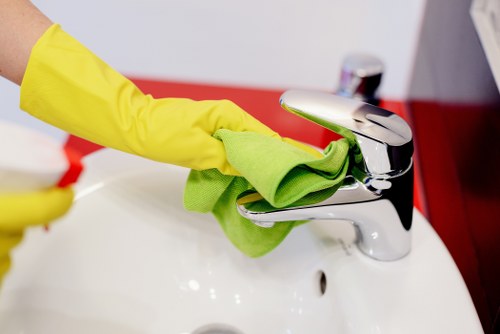
Office cleaning in W1 plays an important role in business presentation and day-to-day wellbeing. In a district known for its premium commercial spaces, a clean office can influence how staff feel about their workplace and how visitors perceive the brand. Reception areas, glass partitions, floors, and shared facilities all contribute to that overall impression, so regular cleaning should never be treated as an afterthought.
Professional office cleaning also helps reduce the spread of dust, germs, and allergens. This is especially important in spaces where multiple people share desks, kitchens, and meeting rooms. By keeping surfaces sanitised and waste removed promptly, businesses can support a healthier environment and reduce avoidable absences related to workplace hygiene.
Another important reason office cleaning in W1 matters is consistency. A clean environment is easier to maintain than one that is only addressed occasionally. When cleaning is carried out on a regular schedule, tasks such as vacuuming, disinfecting, and replenishing consumables become part of a reliable routine rather than a disruptive catch-up process.
What Office Cleaning in W1 Typically Includes

The scope of office cleaning in W1 depends on the size of the building, the number of employees, and the type of business operating there. However, most professional cleaning services cover a core set of duties designed to keep the workplace clean, safe, and comfortable throughout the day.
Typical services often include:
- Dusting desks, shelves, and other accessible surfaces
- Vacuuming carpets and cleaning hard floors
- Emptying bins and replacing liners
- Cleaning and disinfecting kitchens and break areas
- Sanitising washrooms and replenishing supplies
- Wiping down shared equipment such as phones, handles, and switches
- Cleaning internal glass and partitions
- Spot-cleaning marks and spillages promptly
Some offices also require specialist support such as deep cleaning, high-level dust removal, or post-builders cleaning after renovation work. In W1, where many offices operate in busy commercial buildings, these additional services can be essential for maintaining a polished environment.
For businesses that welcome regular clients or host staff from multiple teams, office cleaning in W1 may also include more frequent touchpoint cleaning. This extra attention is particularly useful in communal areas where hygiene and presentation are equally important.
Tailoring Office Cleaning in W1 to Different Workplaces

No two offices are exactly the same, which is why office cleaning in W1 should always be adapted to the workplace. A small creative studio may need flexible evening cleans and light-touch daily maintenance, while a larger finance office may require stricter routines, secure access procedures, and detailed cleaning across multiple zones.
Businesses in W1 often work in a fast-paced setting, which means cleaning schedules must be designed around office hours, building rules, and staff movement. Some companies prefer early morning cleaning before employees arrive, while others choose evening service after the office has closed. Flexibility matters because the cleaning process should support operations, not interrupt them.
In shared workspaces and managed offices, office cleaning in W1 often includes communal kitchens, hot-desking areas, printer stations, and meeting rooms. These spaces can quickly become untidy when they are used by many people throughout the day. Keeping them spotless helps maintain a professional atmosphere and makes shared areas more pleasant for everyone.
How to match services to your business type
If you are reviewing cleaning options, it helps to think about how your space is used:
- Client-facing offices: focus on reception, meeting rooms, and washroom presentation
- High-occupancy offices: prioritise sanitation, waste removal, and touchpoint cleaning
- Creative studios: use flexible schedules and attention to common areas
- Professional firms: maintain confidentiality, discretion, and immaculate standards
Benefits of Choosing Professional Office Cleaning in W1
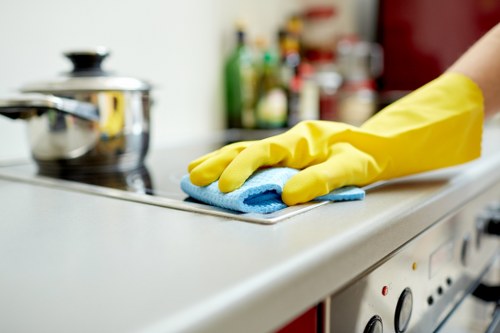
There are many reasons businesses choose professional office cleaning in W1 instead of relying on in-house ad hoc cleaning. A dedicated service brings structure, consistency, and specialist knowledge to the task. This means every area receives attention based on its use, and the workplace remains in better condition over time.
Improved productivity is one of the most noticeable benefits. Employees are generally more focused in a clean and organised environment. When desks are clear, bins are empty, and shared spaces are fresh, staff can concentrate on their work rather than dealing with clutter or unpleasant surroundings.
Professional office cleaning in W1 also supports brand reputation. Cleanliness is often one of the first things clients and visitors notice. If a reception area is dusty or washrooms are poorly maintained, it can undermine the business image. On the other hand, well-maintained premises suggest reliability, attention to detail, and pride in the workplace.
Other valuable benefits
Beyond appearance and productivity, office cleaning offers practical advantages:
- It helps preserve carpets, flooring, furniture, and fittings.
- It reduces the build-up of dirt and bacteria in busy environments.
- It supports better workplace morale and comfort.
- It can help businesses stay aligned with hygiene expectations.
In a competitive location like W1, these small advantages often combine to create a meaningful difference in how an office operates every day.
Key Areas That Need Regular Office Cleaning in W1

When planning office cleaning in W1, it is useful to understand which parts of the workplace need the most attention. Some areas are used constantly, while others collect dust and dirt more slowly. A well-designed cleaning routine addresses both the visible and the overlooked spaces.
Reception areas are among the most important because they shape a visitor’s first impression. Clean glass doors, polished floors, tidy seating, and dust-free counters help create a welcoming environment. In premium W1 offices, this space often sets the standard for the rest of the building.
Workstations and desks also require regular care. Even in paper-light offices, dust, crumbs, fingerprints, and spills can build up quickly. Desktops, chair arms, and monitors should be cleaned carefully so employees can work comfortably in a neat environment.
High-priority cleaning zones
These areas usually need the most consistent attention:
- Reception and entrance halls
- Desks and shared workstations
- Meeting rooms and boardrooms
- Kitchenettes and staff break areas
- Washrooms and toilet facilities
- Corridors, lifts, and stairwells
- Communal printers, touchpoints, and handrails
Paying attention to these spaces ensures office cleaning in W1 remains effective and practical. It also helps prevent dirt from spreading into less-used areas.
How Office Cleaning in W1 Supports Workplace Hygiene
Good workplace hygiene has become a priority for many businesses, and office cleaning in W1 is central to maintaining it. A clean office is not just about appearance; it also helps reduce the spread of bacteria and viruses that can pass between employees through shared surfaces and communal spaces.
Touchpoint cleaning is particularly important. Door handles, light switches, lift buttons, shared keyboards, and kitchen appliances are touched frequently throughout the day. Regular cleaning and disinfection of these areas can improve overall hygiene and help staff feel more comfortable in the workplace.
Washroom hygiene is another major part of office cleaning in W1. Clean sinks, stocked dispensers, fresh bins, and sanitised fixtures are essential in any professional environment. Poorly maintained washrooms can create a negative impression very quickly, while well-kept facilities help demonstrate care and respect for staff and visitors alike.
Simple hygiene priorities for offices
Businesses can support cleaner workplaces by focusing on a few clear priorities:
- Regular disinfection of shared surfaces
- Prompt cleaning of spills and mess
- Proper waste management and bin replacement
- Restocking soap, paper towels, and sanitiser
- Ventilation and dust reduction where possible
When hygiene routines are consistent, office cleaning in W1 becomes an effective part of business resilience rather than just a cosmetic service.
Office Cleaning in W1 and the Importance of Presentation
In central London, presentation matters. Office cleaning in W1 contributes directly to how a company is perceived by clients, partners, and potential employees. A spotless office signals organisation and care, while a neglected one can suggest the opposite.
This is especially relevant in client-facing industries such as law, finance, recruitment, architecture, marketing, and consultancy. These sectors often rely on trust and professionalism, so the office environment should reflect those values. Clear windows, gleaming floors, and tidy communal areas all reinforce a sense of competence.
Even small details matter. Fingerprints on glass, dust on skirting boards, or overflowing bins can make a workplace feel unkempt. Regular office cleaning in W1 keeps these issues under control and helps ensure that every part of the office looks intentional and well managed.
Presentation is more than appearance
A polished workplace can influence behaviour too. When staff work in a clean setting, they are more likely to keep their own areas tidy. That creates a positive cycle where cleanliness becomes part of the office culture rather than something imposed from the outside.
Choosing the Right Schedule for Office Cleaning in W1
One of the most important decisions for any business is how often to arrange office cleaning in W1. The right schedule depends on occupancy, office size, foot traffic, and the type of work being carried out. Some offices require daily service, while others can operate effectively with a few cleans per week.
Daily cleaning is usually ideal for busy offices with high staff numbers or regular client visits. It ensures floors, bins, kitchens, and washrooms stay fresh and presentable. For smaller offices, a less frequent schedule may be enough, provided the tasks are still completed thoroughly.
Many businesses also choose a mix of routine cleaning and periodic deep cleaning. Routine service handles everyday upkeep, while deep cleaning addresses areas that need a more detailed approach. This combination is often the best way to keep office cleaning in W1 efficient and cost-effective.
Factors to consider when planning a schedule
- Number of employees and visitors
- Size and layout of the office
- Use of shared or open-plan spaces
- Level of client-facing activity
- Availability of cleaning access outside working hours
A practical schedule should balance cleanliness with operational convenience, ensuring the office always feels ready for work.
Specialist Cleaning Needs in W1 Offices
Some workplaces need more than standard office cleaning in W1. Buildings that host events, undergo refurbishments, or operate in highly specialised sectors may need extra support. This can include carpet cleaning, hard floor treatment, sanitising after illness, or post-construction clearing.
Specialist cleaning is particularly useful in larger offices and managed buildings where different teams use the same facilities. It can also help restore the office after periods of heavy use, seasonal events, or internal changes such as moves and fit-outs. Deep cleaning is a smart choice when a space needs a reset and a noticeably fresher finish.
Some offices in W1 may also require eco-conscious cleaning methods. Using environmentally responsible products and efficient processes can support broader sustainability goals without compromising results. Many businesses now value cleaning services that align with their environmental commitments while still delivering a professional standard.
Examples of specialist support
- Carpet and upholstery cleaning
- Washroom deep sanitisation
- Floor polishing and maintenance
- High-level dusting
- Post-refurbishment clean-ups
- Spring and seasonal cleaning
What Makes Office Cleaning in W1 Different from Other Areas
Office cleaning in W1 has its own practical demands because the area is dense, fast-moving, and highly commercial. Many offices are located in shared buildings, mixed-use premises, or compact spaces where access and timing matter. Cleaning teams often need to work discreetly and efficiently to avoid disrupting staff and neighbouring businesses.
The standard of expectation is also high. W1 is associated with premium offices, retail, hospitality, and professional services, so businesses in the area usually want a finish that looks polished every day. That means paying closer attention to detail, using reliable routines, and adapting to the building’s layout and traffic patterns.
Another factor is logistics. Central London offices can face strict access rules, limited parking, and busy transport conditions. A cleaning service working in W1 should be able to manage these challenges while still delivering on time and maintaining quality.
How to Keep an Office Cleaner Between Scheduled Visits
Even with regular office cleaning in W1, small daily habits can help keep the workplace in better condition between visits. Staff do not need to perform cleaning duties themselves, but simple practices can reduce mess and improve the overall environment.
For example, encouraging employees to clear desks at the end of the day makes dusting easier and helps the office look tidy. Keeping kitchen areas organised and wiping up minor spillages promptly can also prevent bigger problems later. These habits support the work of the cleaning team and extend the effect of each visit.
Businesses may also benefit from creating a few shared standards. Clear expectations around desk organisation, waste disposal, and kitchen use can make a surprising difference to how clean the office feels on a daily basis.
Helpful workplace habits
- Encourage desk tidiness at the end of each day
- Dispose of food waste quickly
- Keep communal areas clear of personal items
- Report spills or maintenance issues promptly
- Use storage effectively to reduce clutter
These habits do not replace professional office cleaning in W1, but they do help maintain a more orderly and pleasant workplace.
Why Office Cleaning in W1 Should Be Seen as an Investment
Some businesses view office cleaning as a basic expense, but in practice it is an investment in workplace performance, reputation, and comfort. A clean and well-maintained office can help improve staff satisfaction, reduce disruption, and present a stronger image to everyone who enters the building.
When office cleaning in W1 is done well, the benefits are visible throughout the week. Floors last longer, facilities stay in better condition, and the office feels more welcoming. Over time, this can support better working habits and a more positive attitude towards the space itself.
There is also a financial dimension. Regular upkeep can help prevent the need for larger corrective work later. Carpets, surfaces, and fixtures that are cleaned properly tend to wear better, making routine cleaning a sensible part of long-term property care.
Final Thoughts on Office Cleaning in W1
Office cleaning in W1 is essential for businesses that want to maintain a professional, hygienic, and productive workplace. From reception areas and meeting rooms to kitchens and washrooms, every part of the office benefits from consistent care and attention. In a competitive area like W1, presentation and cleanliness are not optional extras; they are part of what makes a workplace function well.
By choosing a cleaning approach that matches the size, usage, and style of the office, businesses can enjoy a cleaner environment and a smoother working day. Whether the need is for daily maintenance, specialist support, or a flexible schedule, the right office cleaning in W1 service can make a lasting difference.
If you are ready to improve the look and feel of your workplace, book your service now and take the next step toward a cleaner office. Contact us today to arrange office cleaning in W1 that fits your business, supports your team, and keeps your space looking its best.