Deep Cleaning in W1: A Practical, Detailed Approach for Fresher, Healthier Homes and Workspaces
What Deep Cleaning in W1 Really Means
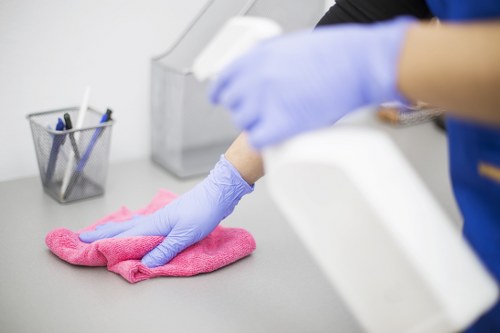
Deep cleaning in W1 is more than a quick tidy-up or a surface-level wipe-down. It is a thorough, room-by-room cleaning process designed to remove built-up dirt, dust, grime, and hidden debris from areas that everyday cleaning often misses. In the W1 area, where properties range from stylish apartments and period homes to busy offices and shared buildings, deep cleaning is especially valuable because daily life naturally creates layers of residue in kitchens, bathrooms, floors, and high-touch surfaces.
Many people search for deep cleaning in W1 when they want a fresh start after a busy season, before an event, after renovations, or simply to restore a cleaner and more hygienic environment. This service typically reaches places like skirting boards, behind appliances, under furniture, inside cabinets, light switches, door frames, tile grout, and other detail-heavy zones that are easy to overlook during regular upkeep. The result is a noticeably cleaner space that not only looks better but also feels healthier and more comfortable.
In a district as active and varied as W1, professional deep cleaning can also help maintain the condition of your property over time. Whether you are a homeowner, tenant, landlord, or business owner, a well-executed deep clean can reduce allergens, improve indoor freshness, and support a more polished presentation. If you have been considering deep cleaning in W1, understanding what it includes and why it matters can help you make the right choice for your space.
Why Deep Cleaning Matters in W1

The W1 postcode covers some of London’s most dynamic and desirable locations, which means properties here often face unique cleaning challenges. Busy streets, frequent foot traffic, compact interiors, and a fast pace of living can all contribute to more dust, more grime, and more wear on surfaces. That is one reason deep cleaning in W1 has become such an important service for both residential and commercial settings.
Unlike standard cleaning, which is usually focused on visible mess and routine maintenance, deep cleaning aims to tackle the hidden layers that affect hygiene and presentation. This includes grease in kitchen corners, soap buildup in shower screens, dust around vents, and marks on walls or woodwork. When these issues build up over time, a regular cleaning routine may no longer be enough to restore the space properly.
There are also health-related benefits to deep cleaning in W1. Dust mites, pollen, mould spores, pet dander, and bacteria can accumulate in fabrics, corners, and neglected surfaces. For households with children, allergy sufferers, or pets, a detailed cleaning service can make day-to-day living more comfortable. For offices and commercial spaces, a cleaner environment can support a better experience for staff, visitors, and clients alike.
Areas Covered During Deep Cleaning in W1

A proper deep cleaning in W1 service usually covers every major area of a property with a much higher level of detail than normal cleaning. Each room is treated carefully so that hidden dirt, residue, and buildup are removed methodically. This approach helps deliver a more complete transformation rather than a quick visual refresh.
In kitchens, deep cleaning often includes degreasing splashbacks, wiping the tops and fronts of cupboards, cleaning around and behind appliances, sanitising sinks, polishing taps, and removing food residue from worktops. Inside ovens, microwaves, fridges, and extractor hoods may also be addressed depending on the service scope. Because kitchens collect grease and moisture, they often benefit the most from deep cleaning in W1.
Bathrooms are another major focus. A deep clean typically targets tiles, grout, toilet bases, shower screens, sinks, mirrors, taps, and stubborn soap scum or limescale. Floors are carefully cleaned, corners are checked for mildew, and accessible fixtures are disinfected. The goal is not just a sparkling finish, but a fresher and more hygienic room overall. In living rooms, bedrooms, and hallways, cleaners often dust hard-to-reach surfaces, vacuum under furniture, clean skirting boards, and wipe switches, handles, and frames.
How Deep Cleaning in W1 Differs from Regular Cleaning
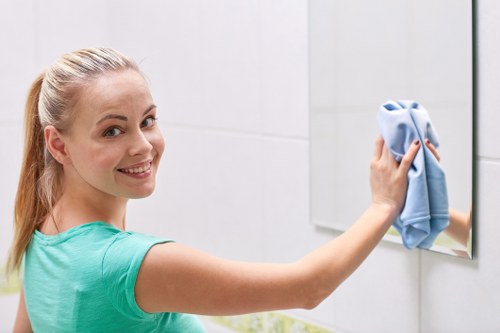
It is easy to confuse routine housekeeping with a professional deep clean, but the two are not the same. Regular cleaning helps keep a space tidy on a day-to-day or weekly basis. It usually involves tasks such as vacuuming, dusting, mopping, wiping counters, and sanitising the most visible surfaces. This is essential maintenance, but it does not normally address deeper buildup.
Deep cleaning in W1 goes further. It is more detailed, more time-intensive, and often more tailored to the property’s condition. For example, instead of simply wiping a bathroom sink, a deep clean may include descaling tap fittings, cleaning behind toilet pipes, scrubbing grout, and removing grime from corners where mould can form. Instead of just vacuuming a living room, the service may include cleaning under furniture, around radiator edges, and along wall trim.
Another important difference is the objective. Routine cleaning aims to keep things manageable. Deep cleaning aims to reset the property. That is why many people book deep cleaning in W1 before moving in, after moving out, after building work, or when a space has been neglected for a while. It is the kind of service that can restore pride in a property and create a cleaner foundation for ongoing upkeep.
When to Book Deep Cleaning in W1
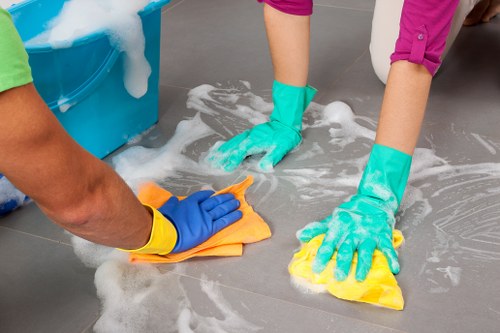
There are many situations where deep cleaning in W1 makes sense. One of the most common is during a move. Before moving into a new home, a detailed clean helps ensure you begin with a fresh, hygienic space. Before moving out, it can help leave the property in excellent condition, which is particularly useful for tenants, landlords, and property managers.
Another common reason is post-renovation cleaning. Building dust, plaster residue, paint spots, and fine debris can settle into every corner of a property. In these cases, a deep cleaning service helps remove construction-related mess and makes the space truly usable again. Seasonal cleaning is also popular, especially when people want a reset in spring, before the holidays, or after a busy period that has left little time for maintenance.
Businesses in W1 often book deep cleaning for offices, studios, shops, and shared spaces after a busy trading season, during office changes, or before a major inspection. The right timing can make a major difference. If your space feels dull, dusty, or hard to maintain, it may be the perfect moment to book your service now and enjoy a cleaner, more manageable environment.
What to Expect from a Professional Deep Cleaning in W1
Professional deep cleaning in W1 is usually more structured than a standard cleaning appointment. It often begins with a walkthrough or assessment of the space so that the cleaning team can understand which rooms need the most attention and whether there are special requirements. This may include delicate surfaces, high-traffic areas, stubborn stains, or any spaces that need focused treatment.
The actual cleaning process is usually organised by zone. Cleaners may start with dusting and decontaminating high surfaces, then move to mid-level surfaces, and finish with floors and detail work. This method helps prevent dust and dirt from falling onto already cleaned areas. Many teams also bring specialist products and tools for tasks such as limescale removal, grease breakdown, upholstery care, and sanitisation.
Depending on the provider, deep cleaning in W1 may include:
- Kitchen degreasing and appliance detailing
- Bathroom descaling and grout attention
- Skirting board, door frame, and switch cleaning
- Vacuuming and mopping all accessible floors
- Dust removal from vents, shelves, and corners
- Spot cleaning of marks on walls and surfaces
- Internal window and sill cleaning
- Furniture and hard-to-reach area cleaning
This level of detail is what makes the service feel so effective. Rather than simply making a property look clean, it creates a visible and often dramatic improvement in how the space looks, smells, and feels.
Benefits of Choosing Deep Cleaning in W1
There are practical and aesthetic benefits to booking deep cleaning in W1, and these benefits go beyond simple appearance. One of the biggest advantages is improved hygiene. By removing hidden dirt and sanitising contact points, deep cleaning reduces the build-up of germs and helps create a healthier environment for everyday use.
Another major benefit is better air quality. Dust, pet hair, and fine debris can collect in fabrics and hidden corners, then circulate through the space whenever people move around or windows are opened. A thorough deep clean can reduce this build-up, making the air feel fresher and cleaner. This is especially useful in homes with carpets, soft furnishings, or frequent occupancy.
Deep cleaning in W1 also supports property maintenance. Dirt and grime can damage surfaces over time if they are left untreated. Grease can stain kitchen finishes, limescale can dull taps and shower screens, and dust can affect the appearance of skirting boards, vents, and fixtures. By removing these contaminants regularly, you can help preserve the condition of your interiors.
Additional advantages include:
- A fresher smell throughout the property
- A more organised and comfortable living or working space
- Improved presentation for guests, clients, or viewings
- Reduced stress from clutter and grime
- Better support for allergy-sensitive households
For many people, the emotional impact is just as important as the practical one. A clean, refreshed property can feel calmer, brighter, and easier to enjoy.
Deep Cleaning in W1 for Homes, Flats, and Apartments
Homes in W1 vary widely, from elegant terraced properties to modern flats and compact apartments. Each type of property benefits from deep cleaning in W1 in a slightly different way. In smaller spaces, dust and clutter can build up quickly, so detailed cleaning can make the property feel instantly more spacious and breathable. In larger homes, the challenge is often maintaining consistency across multiple rooms and surfaces.
Flats and apartments often need special attention around kitchens and bathrooms because these areas work hard in compact layouts. Dust can also collect around radiators, behind sofa units, under beds, and along window frames. A skilled deep clean can address these trouble spots without disrupting the rest of the home. For households that entertain often, this kind of service can also help restore a polished look before visitors arrive.
Many residents use deep cleaning in W1 as a reset after a hectic period. It can be especially useful if you have been balancing work, travel, family life, and social commitments. When everyday cleaning gets pushed aside, a detailed service can bring everything back under control and give you a fresh baseline for future upkeep.
Deep Cleaning in W1 for Offices and Commercial Spaces
Commercial properties in W1 benefit greatly from a structured deep cleaning approach. Offices, studios, clinics, and retail environments all need more than a quick daily tidy to stay presentable. High-touch areas such as desks, handles, switches, reception counters, kitchenettes, and washrooms can gather dust and germs quickly, especially in busy environments.
In offices, deep cleaning in W1 can help improve professionalism and comfort. Clean desks, dust-free corners, sanitised shared areas, and fresher meeting rooms can all contribute to a more productive atmosphere. For businesses that welcome clients or customers, the look and feel of the premises can influence first impressions significantly.
Commercial deep cleaning may also be scheduled around operational needs. For example, many businesses choose evenings, weekends, or low-traffic periods to minimise disruption. In some cases, specific areas such as kitchens, washrooms, or communal spaces are prioritised. The most effective approach is one that balances detailed cleaning with practical business requirements.
Key commercial cleaning targets can include:
- Reception and waiting areas
- Shared desks and meeting rooms
- Kitchenettes and staff break areas
- Washrooms and sanitary fixtures
- Entryways, stairwells, and corridors
- Glass, frames, and high-touch surfaces
When handled properly, the result is a more welcoming and professional environment for everyone who enters the building.
Preparing for Deep Cleaning in W1
To get the best results from deep cleaning in W1, a little preparation can help. While professional cleaners do most of the work, clearing clutter from floors, countertops, and surfaces allows them to reach more areas efficiently. This can make the cleaning process faster and more effective.
You may also want to secure valuables, move fragile items, and note any areas that need special care. For example, if there are surfaces that require gentle products, appliances that need cautious handling, or stains you want prioritised, sharing this information in advance can improve the outcome. Clear communication helps ensure the deep clean is aligned with your expectations.
Here are a few simple preparation steps:
- Remove personal items from floors and counters.
- Store breakables safely away from cleaning areas.
- Make a quick list of priorities or problem spots.
- Ensure access to all rooms and utility spaces.
- Let the cleaners know about pets, alarms, or special instructions.
These small actions can make a noticeable difference and allow the team to focus on the actual deep cleaning in W1 work without unnecessary delays.
How to Maintain Results After Deep Cleaning in W1
Once your property has had a thorough deep clean, the next step is keeping it looking and feeling fresh for as long as possible. The best way to do that is to combine regular maintenance with a few smart habits. Daily or weekly cleaning can prevent dirt from building up again, making future deep cleans easier and more cost-effective.
Simple habits can go a long way. Wiping kitchen surfaces after cooking, using bathroom ventilation properly, vacuuming high-traffic zones, and tidying clutter before it piles up will all help preserve the results. In homes with pets or children, it can be useful to schedule quick spot cleans more frequently, especially in areas that are used most often.
Deep cleaning in W1 is most effective when it becomes part of an ongoing care routine rather than a one-off emergency fix. Think of it as a reset that gives you a cleaner starting point. From there, regular upkeep helps protect that investment and keeps your space more pleasant day after day.
Smart maintenance tips after a deep clean:
- Use door mats to reduce dirt tracked indoors
- Wipe spills quickly before they set
- Dust shelves and corners on a weekly basis
- Keep kitchen and bathroom ventilation in good use
- Declutter surfaces to reduce dust collection
Choosing the Right Deep Cleaning Service in W1
Not all cleaning services are the same, so it is worth choosing carefully when booking deep cleaning in W1. Look for a provider that is clear about what is included, how the work is carried out, and whether the service can be tailored to your property type. A transparent process is a strong sign of professionalism.
It is also helpful to choose a service that understands the unique demands of W1 properties. Whether your space is modern, traditional, compact, or heavily used, the right team should be able to adapt its methods accordingly. Attention to detail, proper equipment, and a systematic approach are all essential qualities in any good deep cleaning service.
Before booking, consider these points:
- What rooms or areas need the most attention?
- Do you need oven, fridge, or appliance cleaning?
- Are there any delicate surfaces or access challenges?
- Do you need residential or commercial cleaning support?
- Would you like a one-off service or repeat visits?
Asking these questions in advance can help you find a service that meets your needs and delivers the level of detail you expect.
Why Deep Cleaning in W1 Is Worth It
At its best, deep cleaning in W1 offers more than a tidy appearance. It improves hygiene, refreshes the atmosphere, protects surfaces, and creates a more enjoyable place to live or work. Whether you are preparing for a move, managing a busy household, keeping an office in shape, or simply wanting to reclaim a cleaner environment, the value is easy to see.
Because W1 properties are often busy and high-use, regular maintenance alone may not always be enough. That is where detailed cleaning becomes especially useful. It helps tackle grime that accumulates gradually and restores a standard of cleanliness that routine cleaning may struggle to maintain on its own. The result is a fresher space and less stress about what is hiding behind the scenes.
If your home or business is ready for a noticeable reset, deep cleaning in W1 could be exactly what you need. Contact us today to learn more, or book your service now and give your property the attention it deserves.
Final thought
With the right approach, deep cleaning in W1 can transform the way a property looks, feels, and functions. It is a practical investment in comfort, hygiene, and long-term presentation.