Health and Safety Policy for Carpetcleaning W1
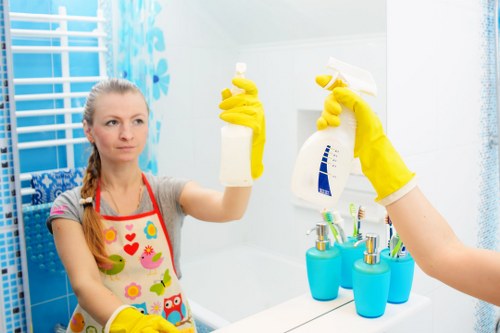 This health and safety policy sets out the standards that guide Carpetcleaning W1 in delivering safe, responsible, and consistent cleaning services. Our approach is built on prevention, careful planning, and a clear commitment to protecting staff, clients, visitors, and property. Every carpet cleaning assignment is assessed with safety in mind, from preparation through to completion, so that risks are identified early and controlled effectively.
We recognise that carpet cleaning involves water, electrical equipment, cleaning agents, and movement within occupied premises. Because of this, carpet cleaning W1 operations must be carried out with discipline and attention to detail. Our policy supports a work environment where hazards are reduced, tasks are completed safely, and all work methods reflect good practice and professional responsibility.
The company expects all personnel to follow safety instructions, report concerns promptly, and use equipment correctly. Health and safety is not treated as a separate task but as part of every stage of the service. This includes protecting floor surfaces, reducing slip risks, handling detergents carefully, and ensuring that work areas are left in a safe condition once cleaning is complete.
 All staff involved in carpet cleaning services must be trained to recognise common workplace hazards. These may include wet surfaces, trailing cables, unsuitable ventilation, manual handling strain, and contact with chemical products. Staff must take reasonable steps to reduce these risks by using correct procedures and appropriate protective equipment where needed. Equipment should always be checked before use and maintained in good working order.
Cleaning products used during carpet cleanings are selected for their suitability, effectiveness, and safe handling requirements. Where product information is relevant, it must be read and followed carefully. Carpetcleaning W1 requires that chemicals are stored securely, used in controlled quantities, and never mixed unless the manufacturer’s instructions allow it. Containers should be kept clearly labelled, and spills must be addressed without delay using suitable cleaning methods.
Manual handling is another important area of focus. Moving equipment, lifting solution containers, and transporting machines can create strain if not managed properly. Staff are expected to use sensible lifting techniques, avoid unnecessary heavy loads, and ask for assistance where required. The aim of our carpet cleaning W1 policy is to make safe working the normal standard rather than an exception.
 Electricity and water must be managed with particular care during carpet cleaning operations. Machines should only be operated with safe connections and in dry, stable conditions wherever possible. Cables must be positioned to reduce trip hazards, and equipment should not be used if there is any sign of damage or malfunction. If a fault is discovered, work must stop until the issue has been resolved by a competent person.
Slip prevention is essential, especially in areas where carpets remain damp after treatment. Staff should warn others of any temporary hazard and use practical controls such as restricted access, visible indicators, or alternative routes where needed. Carpetcleaning W1 takes the view that a safe finish is just as important as a clean result. Floors, surrounding surfaces, and access points should be left orderly and free from avoidable hazards.
Where work is carried out in occupied spaces, communication matters. Clients and building occupants should be made aware of any temporary risks created by the cleaning process, such as drying times or limited access to certain areas. Team members must act professionally, keep their work area organised, and avoid interrupting the safety of others. This is part of our broader commitment to dependable carpet cleaning services.
Emergency readiness is also covered by this policy. Staff must know how to respond to incidents such as spills, minor injuries, equipment failure, or unexpected exposure to cleaning products. First aid arrangements should be understood before work begins, and any incident must be reported according to company procedure. Quick and calm action helps to limit harm and supports a safer working environment for everyone involved.
Carpetcleaning W1 expects supervisors and workers to cooperate in maintaining safe standards at all times. This includes following site-specific instructions, respecting access restrictions, and using common sense when conditions change. If a situation appears unsafe, work should pause until a proper assessment has been made. No task is more important than preventing injury or damage.
 Monitoring and review are essential parts of keeping this policy effective. The company will regularly assess working practices, equipment condition, and training needs to ensure that safety standards remain appropriate and up to date. Any lessons learned from incidents, near misses, or procedural changes should be used to improve future performance. A strong carpet cleaning W1 safety culture depends on continual attention, not occasional checks.
Every person working under this policy has a responsibility to contribute to safe outcomes. That means staying alert, using the right tools, following instructions, and raising concerns when something is unclear or unsafe. Good housekeeping, careful planning, and disciplined working habits all help to protect people and property during carpet cleaning tasks. Safe practice should be consistent, practical, and built into the working day.
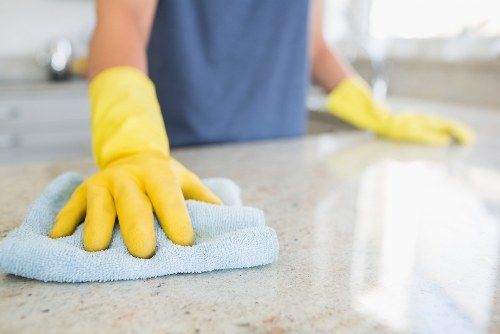 In summary, this health and safety policy supports a professional, well-controlled approach to Carpetcleaning W1. By managing hazards carefully, training staff properly, and maintaining safe working methods, the company aims to deliver reliable results while protecting everyone affected by its services. Safety remains a core part of quality, and every job should reflect that standard from start to finish.