Mould After Damp? Specialist Marylebone Stain Care in Marylebone
If you have spotted dark patches after a leak, condensation, or a stubborn damp spell, you are probably dealing with more than a cosmetic problem. Mould After Damp? Specialist Marylebone Stain Care is about treating the stain properly, understanding what caused it, and stopping it from coming back. In a place like Marylebone, where older properties, basements, and busy day-to-day living can all create moisture issues, that matters quite a lot. The right approach is part cleaning, part assessment, and part prevention. And yes, sometimes it is a bit fiddly. But done well, it can save you a lot of stress later.
This guide explains how mould stains form after damp, what specialist stain care involves, how to judge whether you can tackle it yourself, and when a deeper clean or professional help makes more sense. You will also find a practical checklist, a comparison of methods, and straightforward advice you can use straight away.
Why Mould After Damp? Specialist Marylebone Stain Care Matters
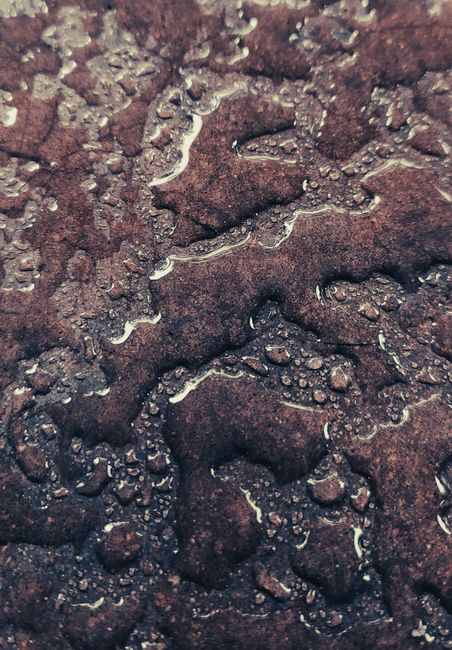
Mould is not just a stain. It is usually a sign that moisture has sat on a surface long enough for spores to take hold. After damp, the visible mark can remain even when the original water source is gone. That is why people often mop, scrub, and still see the patch back the next morning. Frustrating, really.
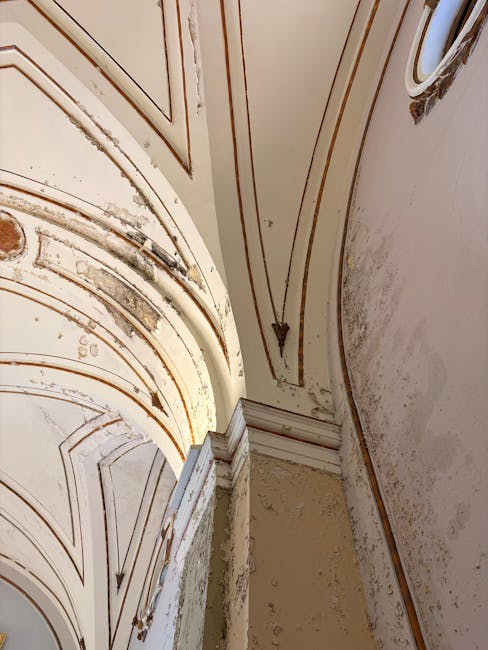
In Marylebone homes and commercial spaces, the risk can be higher in rooms with weaker airflow, older plaster, window reveals, or cold external walls. You may see it around ceiling corners, behind furniture, near skirting boards, in bathrooms, or under windows where condensation builds up. If you only clean the surface and ignore the cause, the stain may return, and in some cases it spreads.
Specialist stain care matters because it does three things at once: it treats the visible mark, reduces the chance of re-growth, and helps protect the underlying material. That is the real point. A patch that looks small can be telling you something bigger about the room's environment.
There is also a comfort factor. Nobody wants to open the curtains on a grey London morning and see blotchy mould creeping along the wall above the radiator. It changes how a room feels. It can make a bedroom seem unclean even after you have just had it decorated. So if you care about presentation, health, or property value, it is worth taking seriously.
Expert summary: if mould appeared after damp, do not treat the stain as the whole problem. Clean safely, dry thoroughly, check the moisture source, and only then judge whether the wall or fabric can be restored.
If you are planning a broader refresh as well, a deep cleaning service can be useful after the affected area has been stabilised, especially where dust, odour, and residue have spread beyond the original patch.
How Mould After Damp? Specialist Marylebone Stain Care Works
Specialist stain care is not just about wiping away black marks. It is a controlled process that usually starts with identifying the type of surface and the likely cause of damp. A painted wall, treated timber, bathroom sealant, soft furnishing, or carpet backing will each respond differently. What works on tile grout may damage plaster or upholstery. Easy mistake to make.
In practice, the process usually follows a few stages:
- Assess the area. Check whether the stain is isolated or part of a wider damp pattern. Look for peeling paint, musty smell, warped materials, or repeated condensation.
- Stop the moisture source. If there is still an active leak or condensation issue, the stain care should be paused until the source is contained.
- Dry the space properly. Ventilation, heating, and patience all matter here. Cleaning a damp surface too soon can trap moisture underneath.
- Treat the stain safely. Use a method suited to the material. The aim is to lift discolouration without spreading spores or damaging the finish.
- Remove residue. Any loosened growth, dust, or cleaning residue should be lifted away carefully.
- Check for aftercare. If the area is porous or stained through, the surface may need sealing, repainting, or replacement once fully dry.
The key thing to understand is that mould on a wall after damp is often partly visible and partly embedded. A simple wipe may remove the surface bloom, but the stain underneath can remain. That is why professional stain care tends to combine cleaning chemistry, careful technique, and a good eye for material condition.
For affected carpets, upholstery, or rugs, specialist fabric treatment becomes even more important. Items like carpet cleaning, rug cleaning, and upholstery cleaning can help restore appearance once the damp issue is under control. Sofas and armchairs are especially tricky because moisture can sink deeper than the top layer. You will often smell the issue before you fully see it.
Key Benefits and Practical Advantages
Good stain care after damp does more than improve appearances. It can help preserve your property, reduce recurring cleaning jobs, and make the room more usable again. That is the honest value of it.
- Better visual finish. Freshly treated mould stains are far less noticeable than untreated patches, especially on pale walls and ceilings.
- Lower chance of recurrence. Cleaning methods that include drying and source checks are more effective than surface wiping alone.
- Protection for finishes. Paint, plaster, fabric, and wood are less likely to degrade when handled carefully.
- Improved room feel. Removing musty residue can make the room smell cleaner and feel more comfortable.
- More sensible long-term decisions. Once you know whether a stain is superficial or structural, you can decide whether repair, repainting, or replacement is actually needed.
There is also a practical time-saving benefit. Homeowners often spend hours trying vinegar, bleach, or abrasive scrubbing, only to end up with faded paint and a patch that still shows through. A specialist approach can shorten the cycle. Not always instantly, but often more cleanly and with less guesswork.
For landlords, letting agents, and tenants near the end of a tenancy, this can be especially useful. A patch left behind after damp is the sort of thing that makes a property look uncared for even when the rest of the flat is spotless. If that is your situation, it may sit alongside end of tenancy cleaning rather than being treated as a separate problem.
Who This Is For and When It Makes Sense
This kind of stain care is useful for more people than you might expect. Not just homeowners with a visible mould patch on the ceiling. It can help anyone dealing with damp-related staining where the surface still has salvageable value.
Typical situations where it makes sense
- Post-leak recovery: after a plumbing leak, overflow, roof issue, or flooded corner has been dried out.
- Condensation damage: around cold walls, windows, bathrooms, or bedrooms with limited airflow.
- Move-in or move-out presentation: when you need a clean, healthy-looking finish before a handover.
- Rental property maintenance: where repeated complaints or visible marks could affect occupancy and trust.
- Commercial interiors: especially small offices, reception areas, or shared spaces that need a presentable finish quickly.
If the stain sits on carpet, rugs, fabric seating, or soft finishes, you may need a broader treatment plan involving sofa cleaning or a more general one-off cleaning visit to deal with the fallout from the damp incident.
When does it make less sense? If the wall is still wet, crumbling, or leaking, cleaning it will only buy you a little time. In that case the priority is fixing the cause first. Truth be told, that is the part many people want to skip. But it matters.
Step-by-Step Guidance
If you want a practical way to approach mould after damp, start with the least invasive method that still respects the material. Here is a sensible sequence.
- Inspect the stain closely. Look at the size, colour, location, and whether the surface feels soft, cold, sticky, or flaky.
- Check for an active damp source. If the wall is cold and wet, or a smell is coming from behind it, stop and investigate further.
- Improve ventilation. Open windows where possible, use extractors, and avoid trapping moisture behind furniture.
- Protect yourself. Wear gloves and a suitable mask if you are brushing or disturbing visible growth. Keep children and pets away from the area while you work.
- Test a small area. Always test the chosen cleaning method on a hidden section first, especially on painted or delicate surfaces.
- Apply a suitable treatment. Use a careful cleaning approach appropriate to the surface. Do not soak porous material.
- Wipe and collect residue. Use clean cloths and dispose of them safely if they have picked up mould.
- Dry the area fully. This step is boring, but crucial. A half-dry wall is asking for trouble.
- Reassess after drying. If staining persists, the area may need stain blocking, repainting, or a specialist restoration approach.
For hard surfaces such as tiled floors or affected kitchen finishes, a related service like hard floor cleaning may help once the moisture issue has been handled and the surface is safe to restore.
If the damp event followed building work or a repair, there may also be dust and debris mixed into the staining. In that case, after builders cleaning can be a sensible next step after the affected area has dried and stabilised.
Expert Tips for Better Results
Here are the bits of practical know-how that tend to make the biggest difference. Nothing flashy. Just the things that save time and prevent repeat problems.
- Do not scrub aggressively. Heavy scrubbing can spread spores, roughen the surface, and make paint look patchy.
- Work from the outside in. This helps avoid widening the stain or pushing residue into cleaner areas.
- Mind the humidity. If the room stays damp, the stain may return even after a decent clean. Bathrooms and kitchens are the usual suspects.
- Check behind furniture. A wardrobe pulled too close to a cold wall can create a perfect little mould pocket. Small, hidden. Annoying as anything.
- Use the right cloths. Microfibre helps on some surfaces, but disposable cloths can be safer where contamination is more obvious.
- Let paint and plaster dry naturally. Repainting too early can trap moisture and create bubbling later.
- Fix airflow before you redecorate. A fan or extractor may seem like a small thing, but in practice it often decides whether the problem comes back.
A useful rule of thumb: if you can still smell the damp, the job is not really finished. That smell is often your first clue that moisture remains somewhere in the system, even if the wall looks better.
And if the stain is on a delicate textile, do not improvise with strong household cleaners. Fabrics can react badly, and a small stain can become a permanent light patch. Sometimes the brave choice is to stop and ask for help. Nothing wrong with that.
Common Mistakes to Avoid
Most repeat mould problems come from a handful of common mistakes. They are easy to make, especially when you are trying to sort the place out quickly.
- Cleaning before the damp source is fixed. This is the number one issue. If water is still entering the area, the stain will often return.
- Using too much water. Soaking the area can push moisture deeper into plaster, wood, or fabric.
- Mixing cleaning products. This is unsafe and rarely improves results.
- Painting over the stain too soon. The finish may look good for a week and then fail underneath. Not ideal.
- Ignoring nearby surfaces. If one corner has mould, adjacent walls, skirting, or window frames may also need attention.
- Blocking airflow with furniture. A wall needs breathing space, especially in older properties.
- Assuming every dark mark is the same. Mould, soot, water staining, and old adhesive marks can look similar at a glance.
A quick example: a tenant might wipe away a patch under a bedroom window, only to discover it came back because heavy curtains were trapping cold air against the glass. That is the sort of thing that feels minor until winter arrives and the cycle starts again. Marylebone flats, with their mix of older layouts and modern routines, can be quite prone to this.
Tools, Resources and Recommendations
You do not need a van full of specialist kit to start, but the right basics help. A little preparation goes a long way.
| Tool or item | Why it helps | Best use |
|---|---|---|
| Gloves | Protects hands from contact with damp residue | Any visible mould cleaning task |
| Mask | Reduces exposure when disturbing spores | Brushing, wiping, or vacuuming contaminated areas |
| Clean microfibre cloths | Good for lifting residue without heavy abrasion | Walls, frames, and hard surfaces |
| Bucket and fresh water | Useful for controlled cleaning | Non-porous surfaces only, used sparingly |
| Fan or dehumidifier | Helps the area dry properly | After cleaning and after any water ingress |
| Stain-blocking primer | Can help with residual shadowing once dry | Repainting after a successful clean |
When stains affect soft furnishings or larger fabric items, a specialist clean is usually better than trying to rescue things with whatever is under the sink. A service like cleaning company support can be the difference between a modest repair and a bigger replacement bill, especially if the item is valuable or part of a set.
For whole-home refreshes after a damp incident, domestic cleaning or home cleaners can help remove the leftover dust, odour, and surface residue once the affected area is safe to approach.
Law, Compliance, Standards, or Best Practice
For most household stain care, the key concern is not a complex legal rule; it is doing the work safely and responsibly. In the UK, the practical expectation is to avoid creating hazards, to use products as directed, and to handle contaminated waste carefully. If a property is rented or managed professionally, it is also sensible to keep a record of damp findings, because clear notes help show what was observed and what was done.
Good practice usually includes:
- working safely with gloves and ventilation;
- not mixing chemicals;
- stopping if there is evidence of a deeper structural problem;
- drying surfaces before refinishing;
- disposing of contaminated cloths or materials carefully;
- being cautious with electrical items near damp areas.
If you are booking professional help, it is sensible to choose a company with clear insurance and safety information, plus straightforward policies around service expectations and access. That does not guarantee a perfect outcome, of course, but it does show that the business treats risk properly. The same goes for knowing the terms you are agreeing to, which is why many customers like to check terms and conditions before booking.
On trust and privacy, it can also help to understand how your details are handled. If that matters to you, the business should make its data handling clear in a plain, readable way. Small thing maybe, but it matters when people are letting cleaners into their home or office.
Options, Methods, or Comparison Table
There is no single right method for every stain. The best option depends on the surface, the size of the problem, and whether the damp is old or still active. Here is a simple comparison.
| Method | Best for | Pros | Limitations |
|---|---|---|---|
| Light surface cleaning | Small, recent stains on hard surfaces | Quick, low-cost, simple | May not remove deep staining |
| Specialist stain care | Visible mould after damp on walls, frames, or finish surfaces | More controlled, better finish, lower risk of damage | Still depends on the original moisture being resolved |
| Deep cleaning and drying support | Areas with odour, residue, or broader contamination | More thorough, better for post-incident recovery | Can take longer and may require more preparation |
| Repainting or sealing | Stains that remain after drying and cleaning | Improves appearance and coverage | Won't fix a hidden damp source |
| Replacement or repair | Severely damaged plaster, timber, or fabric | Long-term solution when material is compromised | Higher cost and more disruption |
For a lot of Marylebone properties, the sweet spot is specialist cleaning first, then a careful decision about whether the surface needs sealing or repainting. If you jump straight to overpainting, you may hide the issue, not solve it. Big difference.
Case Study or Real-World Example
A compact Marylebone flat came to attention after a winter condensation issue left a greyish mould stain on a bedroom wall near an external corner. The tenant had tried wiping it away with a generic spray, but the mark kept returning and the area still smelled slightly damp in the mornings.
The sensible response was to check whether the wall was still wet, move furniture away from the corner, increase ventilation, and let the area dry fully. Only then did the stain care begin. The surface was treated carefully, residue was lifted, and the wall was left to dry again before any decorating was considered. A small patch near the skirting needed more attention than the main mark, which is fairly typical in these cases.
What made the difference was not one miracle product. It was the sequence. Source, dry-out, treatment, reassessment. Simple on paper, slightly less simple in real life.
After the wall was stable, the occupant also reviewed other parts of the room that had been affected by the same humidity pattern. A nearby rug was cleaned, and soft furnishings were moved back with more breathing room against the wall. It sounds minor, but those tiny adjustments often stop the whole thing happening again.
Practical Checklist
Use this quick checklist before and during mould after damp stain care.
- Identify where the damp came from.
- Check whether the area is still wet or cold to the touch.
- Improve ventilation before cleaning.
- Move furniture away from the affected wall.
- Wear gloves and, if needed, a mask.
- Test the cleaning method on a hidden patch.
- Use as little liquid as possible.
- Allow full drying time.
- Inspect for shadowing or returning spots after drying.
- Repaint or reseal only once the surface is properly dry.
- Book specialist help if the stain is widespread, recurring, or on a delicate material.
One small but useful habit: take a photo before you start. It helps you judge whether the area is genuinely improving, and it gives you a reference if the stain changes later. Sometimes your memory is not as reliable as you think. Happens to the best of us.
Conclusion
Mould after damp is never just about the visible mark. The stain is the clue. The real job is to understand the moisture source, treat the surface properly, and make sure the room is set up so the problem does not circle back a week later. That is the value of specialist stain care in Marylebone: it is careful, practical, and focused on the result you actually need, not just a quick cover-up.
If you are dealing with a patch on a wall, ceiling, carpet edge, or upholstered item, the best next step is to assess the material, dry the area thoroughly, and decide whether a deeper clean or a wider property refresh is the right move. There is no shame in taking your time with it. In fact, that is usually the smarter choice.
Get a free quote today and see how much you can save.
And if the room feels better again after the work is done, even slightly, you will notice it straight away. Cleaner air. Less worry. A bit more calm in the space. That matters more than people admit.
Frequently Asked Questions
What does mould after damp actually mean?
It usually means moisture has remained on or inside a surface long enough for mould growth to appear. The visible stain may stay even after the original damp problem has been reduced.
Can I just paint over a mould stain?
Not safely as a first step. If the surface is still damp or contaminated, painting over it can trap the issue underneath and the stain may return through the finish.
How do I know if the wall is still damp?
Look for cold spots, a lingering musty smell, peeling paint, soft plaster, or repeated reappearance of the stain. If you are unsure, treat it as unresolved until it dries properly.
Is mould on a wall dangerous?
It can be an irritation and may worsen the environment of the room, especially if it keeps returning. For health concerns, it is wise to take it seriously and avoid disturbing larger patches without protection.
What is the best way to clean mould after a leak?
The best approach depends on the material. In general, fix the leak, dry the area, test a small section, and use a method that suits the surface rather than soaking it.
Will a specialist stain care service remove the smell too?
Often it can reduce the smell if the moisture source has been controlled and any residue has been removed. If the smell is still present, there may be hidden damp in the room.
How long should I wait before repainting after damp?
Wait until the surface is fully dry and stable. The exact time depends on the material, airflow, and how much water was involved. Rushing it usually causes problems later.
Can mould stain carpets or sofas?
Yes, especially if damp has spread into fibres or underlay. Soft furnishings often need specialist fabric treatment, not just surface wiping.
When should I call in professionals?
If the stain is large, recurring, on a delicate surface, or linked to a leak you cannot identify, professional help is usually the safer option. It is also sensible if you need the room restored quickly and properly.
Does mould after damp always mean there is a serious structural problem?
No. Sometimes it is caused by condensation, airflow issues, or a one-off leak. That said, repeated staining should be checked carefully because it can point to a deeper issue.
What should I do before a cleaner arrives?
Ventilate the room if possible, move furniture back, keep the area accessible, and make a note of when the damp first appeared. A clear starting point helps a lot.
Can deep cleaning help after mould removal?
Yes, especially if the room has dust, residue, or odour from the damp incident. A broader deep cleaning approach can help reset the space once the affected area is dry and stable.