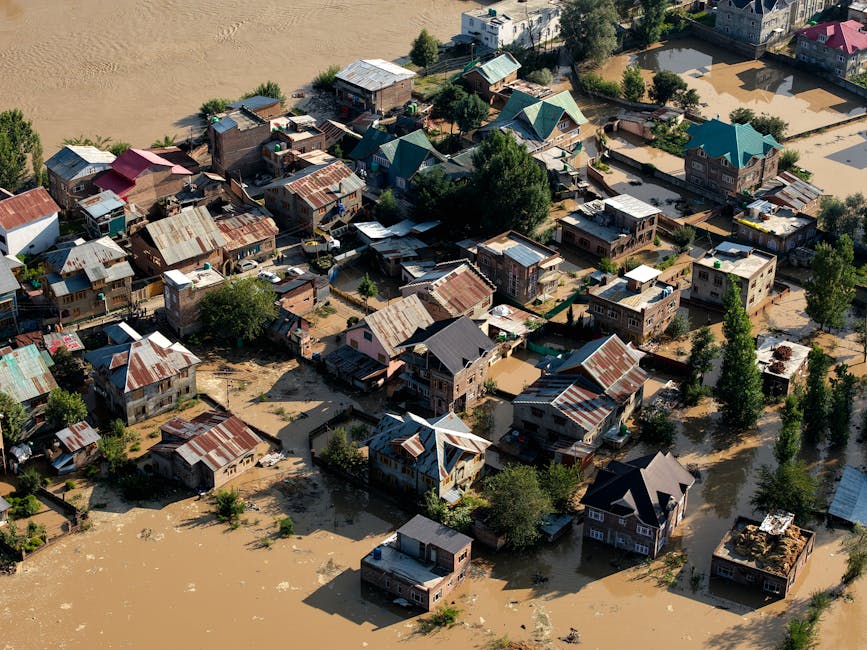
Emergency Flood Carpet Rescue in Marylebone: Same-Day Help
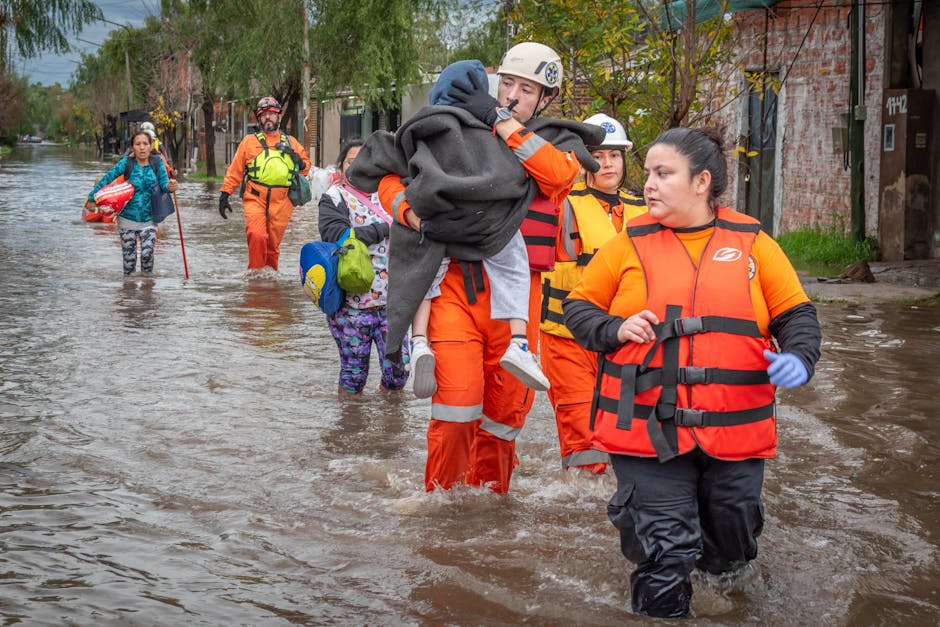
When water gets into carpet, every minute counts. In a flat off Marylebone High Street, a burst pipe, an overflowing appliance, or a leak from above can turn a normal evening into a damp, stressful mess very quickly. Emergency Flood Carpet Rescue in Marylebone: Same-Day Help is about stopping that damage early, protecting the carpet backing and underlay, and getting the room safe and usable again before the smell, staining, and hidden moisture take hold.
This guide explains what same-day flood carpet rescue actually involves, how the process works, what to do first, and how to judge whether your carpet can be saved. You will also find practical steps, common mistakes to avoid, a comparison of options, and a realistic checklist you can use right away. If you're trying to make a calm decision while the floor is still wet, that's exactly what this is for. Let's make it manageable.
Why Emergency Flood Carpet Rescue in Marylebone: Same-Day Help Matters
Carpet and water are not a friendly pair. A small flood might look harmless at first - a few patches of water, a little squish underfoot, maybe a faint smell of wet fabric - but the real problem is what you can't see. Moisture slips into the carpet underlay, edges, gripper rods, skirting gaps, and sometimes down into the subfloor. In a Marylebone property, especially older flats and converted buildings, that hidden spread can be the difference between a straightforward rescue and a much bigger restoration job.
Same-day help matters because drying begins the moment the water is removed. The faster you respond, the better the odds of saving the carpet rather than replacing it. That is especially true where the water source is clean or lightly contaminated and the carpet fibres have not been left wet for long. Delay, on the other hand, invites odour, mould growth, delamination, and permanent damage. Truth be told, waiting until "tomorrow" often makes the job harder and more expensive.
There is also the wider household disruption to think about. Wet carpet affects airflow, creates slip risk, and can make a room feel unusable fast. If it is a hallway, bedroom, or living room, the whole rhythm of the home gets thrown off. In a busy area like Marylebone, where people may be working from home, running a guest flat, or simply trying to avoid a long shutdown, speed is not a luxury. It is the point.
Expert summary: the earlier flood damage is assessed and addressed, the more likely it is that the carpet, underlay, and room structure can be rescued without avoidable replacement. Fast action is not just about drying; it is about preventing secondary damage.
How Emergency Flood Carpet Rescue in Marylebone: Same-Day Help Works
A proper same-day carpet rescue is more than a quick fan aimed at a wet patch. The best approach is a controlled process that removes standing water, assesses the source and extent of the flooding, and then dries the carpet system layer by layer. In practice, that means a technician usually starts with inspection, moisture checking, extraction, and then targeted drying.
The first step is identification. Was the flood caused by a clean water leak, a washing machine overflow, a toilet issue, or something more contaminated? That matters because not all carpet floods are equal. Clean water losses can often be treated more aggressively, while grey water or contaminated water needs more caution, more protective handling, and sometimes replacement of porous materials.
Next comes water extraction. Strong extraction equipment can lift a surprising amount of water from the pile and backing before drying even begins. This is often the most satisfying stage to watch, if you can call flood damage satisfying - the carpet may look dramatically better within minutes, but there is still a long way to go.
Then comes drying. Professional drying usually combines air movement, dehumidification, and close monitoring. In some cases, carpet lifting is needed so that the underlay and subfloor can dry properly. If the carpet is glued down or has complicated joins, the approach changes. There is no one-size-fits-all fix, and anyone promising instant results without inspection is probably oversimplifying the job.
If the carpet has been affected by a leak from a bathroom, kitchen, or upper floor, moisture may have travelled further than expected. That is why reputable carpet rescue work often includes checking skirting lines, corners, and adjacent rooms. Water likes to travel quietly. Annoyingly so.
You may also find it helpful to understand the wider repair process in related situations. For example, if the flood has affected nearby soft furnishings or the whole room environment, a broader water damage restoration approach may be more suitable than carpet-only treatment. If the source is a domestic leak rather than an isolated carpet issue, it can also be worth reviewing leak detection and repairs before declaring the space dry.
Key Benefits and Practical Advantages
There is a simple reason people search for same-day flood carpet help: they want to limit damage fast. But the benefits go beyond speed. A good rescue service can reduce loss, preserve the look and feel of the room, and help you avoid the awkward "do we need to rip it all up?" conversation.
- Faster recovery: same-day attendance reduces the time moisture has to spread.
- Lower replacement risk: carpets, underlay, and sometimes the subfloor can be saved if treated early.
- Reduced odour: trapped water is the usual cause of that musty, stubborn smell.
- Better hygiene: rapid cleaning and drying lowers the chance of microbial growth.
- Less disruption: quicker restoration means your room gets back to normal sooner.
- Clearer decision-making: an on-site inspection helps you know whether rescue, repair, or replacement is the sensible route.
There is a practical money angle too. Replacing carpet is often much more disruptive than people expect. Matching existing flooring, arranging uplift, and dealing with underlay can quickly become a bigger job than the original flood itself. Same-day rescue does not guarantee full salvage, of course, but it often improves the odds enough to make a meaningful difference.
One of the quieter benefits is emotional. It sounds small, but being able to stand in the room, see the water going, and hear the extraction equipment doing its job can reduce panic. You feel the situation moving in the right direction. That matters when the house smells damp and the clock feels loud.
Who This Is For and When It Makes Sense
This kind of emergency help is most useful when the carpet has been hit by sudden water and the homeowner, tenant, landlord, or building manager needs a fast, practical solution. It is especially relevant in flats and managed properties where water can affect neighbours below or next door. In Marylebone, that often means period conversions, apartments, and mixed-use buildings where one leak can create more than one problem.
You may need same-day rescue if:
- water has pooled on the carpet after a burst pipe or appliance failure
- a ceiling leak has soaked a room below
- an overflow has reached the carpet and underlay
- the room is starting to smell damp or "closed in"
- the carpet feels squishy, cold, or uneven after mopping
- you need to protect a rental property or avoid neighbour complaints
It also makes sense if you are unsure how severe the issue is. A proper assessment can tell you whether the carpet can be dried in place, whether it needs lifting, or whether contaminated materials should be removed. That decision is much easier when someone with the right equipment has looked at it rather than guessing from the doorway. Lets face it, wet carpet has a way of hiding its true mood.
If your situation involves a rental, it may be useful to coordinate with broader building management or landlord responsibilities. For larger incidents, related services such as commercial property restoration or end of tenancy cleaning can also become relevant, especially where occupancy, handover, or insurance documentation is involved.
Step-by-Step Guidance
If you are dealing with a flood right now, the safest next steps are straightforward. Keep calm, stay out of the water if there is any electrical risk, and focus on stopping the source and protecting the room.
- Stop the water if you can. Turn off the appliance, close the valve, or isolate the supply if it is safe to do so.
- Keep everyone away from hazards. Wet floors are slippery, and electrical risk should be treated seriously.
- Take quick photos. Capture the affected area before too much is moved or cleaned up. This can help with records later.
- Blot or remove standing water carefully. Use towels or a wet vacuum if you have one, but avoid pushing water deeper into the carpet.
- Lift items off the floor. Rugs, furniture legs, and anything absorbent should be moved to a dry area.
- Call for same-day assessment. The sooner the carpet system is inspected, the better the chance of rescue.
- Ventilate the room where possible. Open windows if conditions allow, but do not rely on fresh air alone for drying.
- Monitor the area. A carpet that feels dry on top can still be wet underneath.
If a professional team is attending, they will usually check moisture levels, confirm the affected materials, and decide whether extraction, lifting, or structural drying is needed. There can be a little waiting involved while drying equipment works, which is normal. A bit boring, yes, but boring is good when water damage is involved.
Quick decision point: if the water source is uncertain, contaminated, or has been sitting for a while, do not assume the carpet is recoverable. Assessment first, then action.
Expert Tips for Better Results
A few sensible habits can improve the outcome quite a lot. They are not glamorous, but they matter.
- Act in the first hour if possible. The earlier the intervention, the more likely the carpet fibres and underlay can be saved.
- Don't trap moisture with the wrong cleaning. Over-wetting, heavy shampooing, or aggressive scrubbing can push water deeper.
- Check edges and corners. Damage often hides where the carpet meets the wall or where seams join.
- Ask what is being dried. Carpet, underlay, and subfloor all need consideration, not just the visible surface.
- Keep furniture off wet areas. Weight can leave marks and trap moisture underneath.
- Use dehumidification properly. A fan alone moves air, but controlled drying removes moisture from the space.
One thing many people miss is odour risk. If the room smells "earthy" or sour after a few hours, that is often a sign moisture remains in the system. It does not always mean failure, but it does mean drying needs checking. It is a small clue, but a useful one.
If you are already planning longer-term maintenance after the incident, related services like carpet cleaning and deep cleaning may help once the area has been fully dried and restored. Just do not rush to cosmetic cleaning before the moisture issue is resolved. That way lies disappointment, and sometimes a worse smell.
Common Mistakes to Avoid
Flooded carpet problems often get worse because people try to tidy too early or use the wrong method. Fair enough - the instinct is to do something immediately. But not every action helps.
- Waiting too long: even a few hours can change the recovery options.
- Using household heaters too aggressively: heat without moisture removal can make drying uneven.
- Assuming the top dry means the whole carpet is dry: underlay and backing often hold water longer.
- Ignoring the smell: odour is often one of the earliest signs of hidden damp.
- Wiping contaminated water into other areas: that spreads the problem rather than solving it.
- Replacing carpet too quickly without inspection: sometimes the carpet is salvageable and a rescue approach would have been enough.
Another frequent mistake is forgetting the source. If a pipe keeps leaking or an appliance fault is not fixed, the carpet can be dried perfectly and then soaked again. Not ideal. If the source is suspected but not obvious, broader checks may be needed alongside carpet drying.
Tools, Resources and Recommendations
Professional flood carpet rescue normally relies on equipment that most households do not have lying around, which is perfectly normal. The important thing is to know what is typically used so you can ask sensible questions.
| Tool or method | What it does | Why it matters |
|---|---|---|
| Water extraction equipment | Removes standing and trapped water from carpet fibres | Speeds up drying and reduces spread into underlay |
| Moisture meter | Checks damp levels in carpet, walls, or subfloor | Helps confirm whether hidden moisture remains |
| Air mover | Pushes air across surfaces | Supports evaporation without relying on guesswork |
| Dehumidifier | Removes moisture from the air | Prevents the room from staying humid and slow to dry |
| Carpet lifting tools | Allow access to underlay and floor edges | Useful when water has spread beneath the visible surface |
For nearby issues around the home, it can also help to consider services beyond the carpet itself. If the flood came from a plumbing issue, plumbing services may be needed to stop repeat damage. If the incident has left fixtures, cupboards, or surfaces messy, a broader deep cleaning approach may be useful once the moisture has been dealt with.
Recommendation: ask any provider whether they will assess the carpet, underlay, and surrounding structure separately. That one question tells you a lot about how seriously they approach the job.
Law, Compliance, Standards, or Best Practice
Flood carpet rescue is not usually about obscure legal thresholds, but there are still important standards of care. In a rental or managed property, there may be responsibilities around keeping the premises safe, dry, and habitable. In commercial settings, there can also be reporting, insurance, and access obligations. If the flood affects a neighbour's property or a shared building, communication matters quickly.
Best practice in this area generally includes:
- Health and safety awareness: wet floors, electrical hazards, and contaminated water need cautious handling.
- Clear documentation: photos, notes, and moisture readings can support insurance or landlord discussions.
- Proper disposal where needed: contaminated underlay or porous materials may need removal rather than drying.
- Odour and mould prevention: thorough drying is not optional if the room is to remain safe and comfortable.
- Respect for building fabric: older properties can be more vulnerable to moisture trapped in edges, voids, and joins.
If you are a tenant, landlord, or managing agent in Marylebone, it is wise to keep communication open and act promptly. The exact obligations can vary by tenancy, property type, and the cause of the flood, so careful record-keeping is sensible. When in doubt, make sure the immediate safety issue is addressed first, then deal with the paperwork afterwards.
There is no hero badge for leaving wet carpet to "air itself out" for two days. Proper drying is the standard approach for a reason.
Options, Methods, or Comparison Table
Different flood situations call for different responses. A light clean-water spill is not the same as a significant leak from above, and not every carpet needs the same treatment. Here is a simple comparison to help you think clearly.
| Method | Best for | Pros | Limitations |
|---|---|---|---|
| DIY towel drying and ventilation | Very small, fresh spills | Fast to start, low cost, easy to do | Often misses underlay moisture, limited impact on larger floods |
| Wet vacuum plus home drying | Minor clean-water incidents | Better than towels alone, can reduce surface water | Still weak on hidden moisture and odour risk |
| Same-day professional carpet rescue | Most flood-related carpet damage | Assessment, extraction, and controlled drying in one process | Requires access and coordinated action |
| Uplift, dry, and reinstall | Water beneath the carpet or underlay damage | More thorough for trapped moisture | More disruptive, may not suit all carpets |
| Replacement | Severe contamination, delamination, or long delay | Fresh start, resolves badly damaged materials | Usually the costliest and most disruptive route |
To be fair, not every job needs the most dramatic intervention. But a small job can become a large one if the wrong method is chosen early. That is why inspection matters more than guesswork.
Case Study or Real-World Example
Here is a realistic example from a Marylebone-style flat scenario. A resident notices water around the edge of a living room carpet early on a weekday morning after a washing machine hose slips behind the appliance. The carpet is wet near the machine, cooler towards the centre, and the room has that faintly metallic damp smell that makes you wrinkle your nose a bit.
The resident first stops the appliance, lifts nearby furniture, and keeps the area clear. Same-day help is arranged. On arrival, the carpet is inspected and the affected area is mapped carefully, because what looks like a small patch by the machine can spread under the underlay. Water extraction reduces the visible moisture quickly, but the drying equipment is kept in place for a controlled period until readings show the floor system has stabilised.
In this sort of case, the carpet may be saved if the response is fast enough and the water is clean. The bigger win is often not just drying the room; it is avoiding a bigger replacement job later. There is nothing flashy about that. It is simply good damage control, and that is exactly what you want when your floor has just gone soggy at breakfast time.
If the same incident had been left until the next day, the odds of odour, underlay swelling, or carpet edge damage would rise. Not guaranteed, but the risk climbs. That is the practical reality of flood carpet rescue.
Practical Checklist
Use this checklist if you are dealing with wet carpet and need to act quickly.
- Stop the water source if it is safe to do so.
- Switch off power in affected areas only if necessary and safe.
- Move furniture, rugs, and valuables away from the wet zone.
- Take photos before major cleanup.
- Blot or extract visible water gently.
- Check whether water has reached underlay or adjacent rooms.
- Arrange same-day inspection or rescue if the carpet is more than lightly damp.
- Ask whether the source is clean, grey, or contaminated water.
- Confirm whether underlay, skirting edges, or subfloor need drying.
- Monitor for smell, cold patches, or soft spots over the next day.
- Keep notes for your landlord, insurer, or property manager if needed.
Practical takeaway: if water has soaked deeper than the carpet surface, speed and proper drying matter more than surface appearance. A carpet can look "fine" and still hold a lot of moisture underneath.
Conclusion
Emergency flood carpet rescue in Marylebone is really about giving yourself the best chance of saving the room, not just the visible carpet. Same-day help reduces risk, shortens disruption, and gives you a clear plan at a time when everything may feel a bit upside down. Whether the issue came from a burst pipe, appliance leak, or water from above, the key is to act quickly, assess properly, and dry the entire carpet system rather than the top layer alone.
If you are weighing up whether to try to manage it yourself or call in help, a simple rule works well: if the water has spread, the smell is changing, or you can feel damp underfoot after mopping, it is time for proper intervention. That is the sensible move, honestly. And it usually saves stress later.
Get a free quote today and see how much you can save.
And if today has been one of those days, with water where it should never be, remember this: the situation is fixable more often than people think. Start early, stay calm, and take the next right step.
Frequently Asked Questions
How fast should I act after a carpet flood in Marylebone?
As fast as you can. The first hour is especially important because water begins to soak into the backing and underlay very quickly. Even if the carpet looks only partly wet, hidden moisture can spread further than you expect.
Can a flood-damaged carpet always be saved?
No, not always. Clean water incidents caught early often have a good chance of rescue, but contaminated water, long delays, or severe delamination can mean replacement is the better option. A proper assessment is the only honest way to tell.
What is the difference between carpet drying and carpet rescue?
Drying is part of the process. Carpet rescue includes water extraction, moisture checking, drying of the underlay and surrounding materials, and deciding whether the carpet can be retained safely.
Is same-day help really necessary for a small leak?
Often, yes. Small leaks can still travel into corners, joins, and underlay. If the leak is fresh and the water source is clean, same-day attention can make the difference between a simple repair and a full replacement.
How do I know if water has gone under the carpet?
Common signs include a spongy feel, cold patches, lifted edges, persistent dampness after blotting, or a musty smell. Moisture meters are the reliable way to confirm what you cannot see.
What should I do before help arrives?
Stop the water source if it is safe, move furniture, take photos, and remove standing water carefully. Avoid scrubbing or soaking the carpet more. If there is electrical risk, keep out of the area.
Can I use a domestic fan and heater instead of professional drying?
For a tiny spill, perhaps. For a real flood, usually not. Fans and heaters can help surface drying, but they do not remove trapped moisture well enough on their own. Dehumidification and proper assessment are much more reliable.
Will my carpet smell after flood damage?
It might if drying is incomplete or the water source was contaminated. A lingering smell often means moisture remains in the carpet system or underlay. Early professional drying reduces that risk significantly.
Do landlords or tenants have special responsibilities after a flood?
Responsibilities can vary depending on the cause, tenancy terms, and property setup. What matters most in the immediate term is reporting the issue quickly, documenting the damage, and getting it made safe and dry.
How do I choose between cleaning, drying, repair, or replacement?
Think about the water source, how long the carpet has been wet, whether the underlay is affected, and whether the carpet fibres or backing have been damaged. A good technician should explain the options clearly rather than pushing one answer straight away.
Will flood water damage the subfloor too?
It can, especially if the carpet has been wet for some time or if the underlay has absorbed a lot of water. That is why checking below the visible surface is so important in flood cases.
What if the flood happened overnight?
It is still worth acting immediately. The situation may be more serious, but that does not mean the carpet cannot be rescued. Overnight water damage needs quicker, not slower, attention the next morning.
Is emergency flood carpet rescue suitable for commercial premises in Marylebone?
Yes, particularly where floor closure affects customers, staff, or building operations. Commercial settings often benefit from fast containment and documented drying so the space can reopen with less disruption.